Safety First
CULTURE OVER COMPLIANCE
The minimum safety standards exist because someone got hurt, and then someone else got hurt the same way, and eventually the government wrote it down. Following OSHA means you've cleared the bar set by decades of preventable accidents.
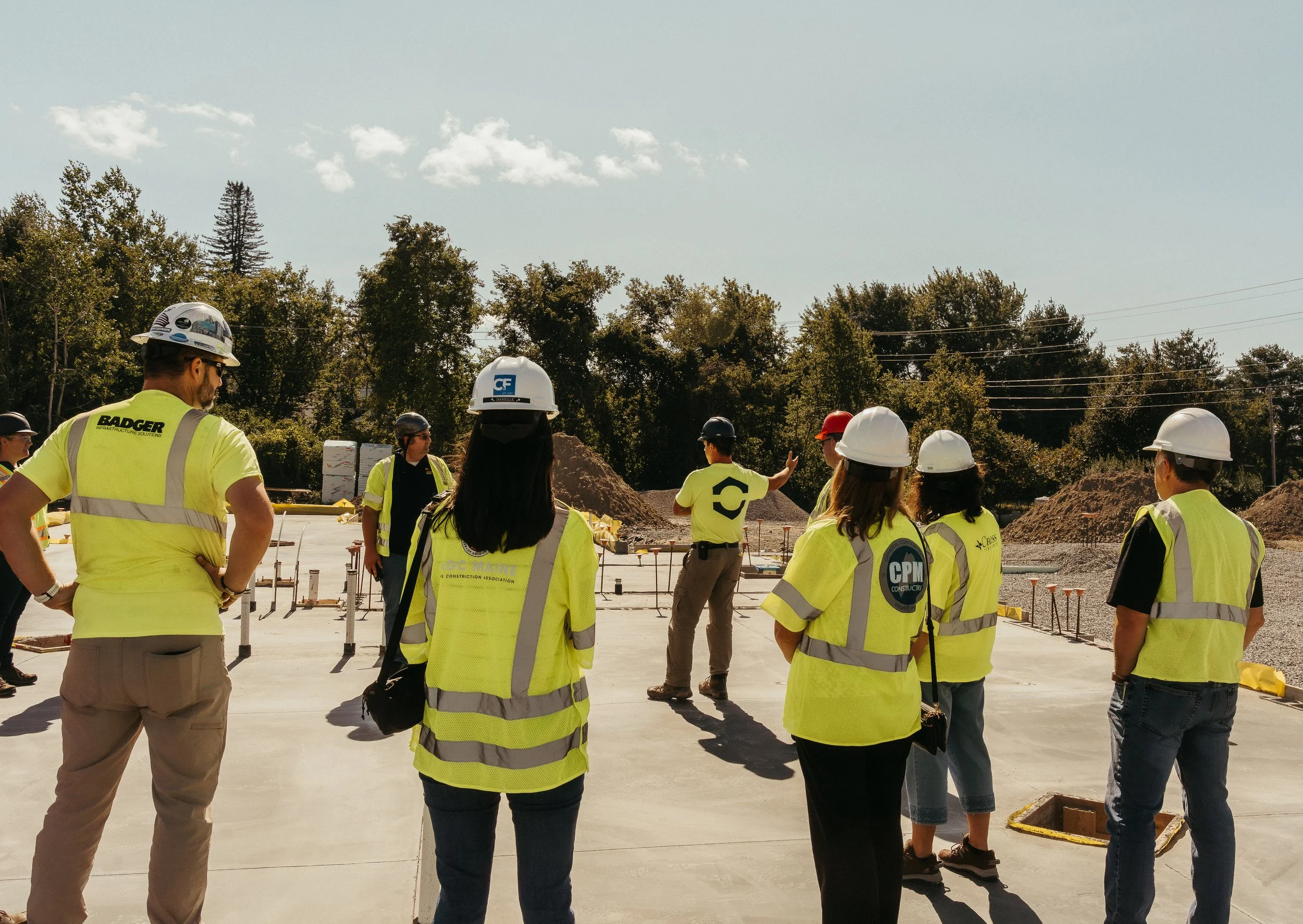
We want more than that. We want a job site where people are looking out for each other — not because the safety plan says to, but because they actually care what happens to the person working next to them. That's a culture problem, not a compliance problem.
The safest job site is one where everyone feels like they can say something before the problem becomes an accident.
Our culture starts with the no-jerks rule. When a job site has a superintendent who yells at subs, those subs stop communicating. They don't raise concerns because they've learned that raising concerns gets you yelled at. Problems go unreported. Eventually something goes wrong that somebody saw coming.
When the culture is one of respect — where a laborer can tell a foreman that something looks wrong, and the foreman actually stops to look — safety gets embedded in the daily work rather than printed on a poster in the trailer.
Safety planning at the project level
Before any work starts on a project, we build a site-specific safety plan. That's not a generic form — it's a document that reflects the actual conditions on the actual site, the trades that will be working, and the specific hazards they'll encounter.
At the Portland International Jetport Terminal Expansion project, the safety planning had to account for the active airport environment. Airside work, construction adjacent to active terminal operations, coordination with the airport's safety protocols — these are not standard commercial construction conditions. The plan had to be built around those realities.
At Stevens Square Building III, vertical construction in an urban Portland block brings its own safety considerations — pedestrian protection, material staging in a tight footprint, overhead hazard management in a multi-story structure. The plan is specific to those conditions.
Steel erection at Ballard Truck Center in Bow, NH required specific fall protection planning for the ironworkers, lift planning for the crane operations, and coordination with site grading and civil work happening simultaneously. Each of those gets mapped out before the work starts.
A safety plan that's copied from the last job is a safety plan written for a different job.
The safety conversation with subs
Subcontractors bring their own safety programs to a job. They have their own training, their own protocols, their own history with OSHA. Part of our job as the GC is to make sure the site-level safety expectations are clear from day one — and that our subcontractors' programs meet or exceed what we require.
This isn't adversarial. The best subs want a safe site as much as we do. They don't want their employees hurt. They don't want the liability. They don't want the schedule impact of an incident.
When we have a pre-construction meeting with a subcontractor, safety gets addressed directly. What are the hazards on this specific project? What are the PPE requirements? What's the protocol if someone sees an unsafe condition? What happens if there's an incident? We go through it, and we make sure everyone is aligned before boots are on the ground.
Safety and quality are the same thing
There's a false tradeoff in construction between safety and production. Go fast or be safe — pick one. We reject that framing.
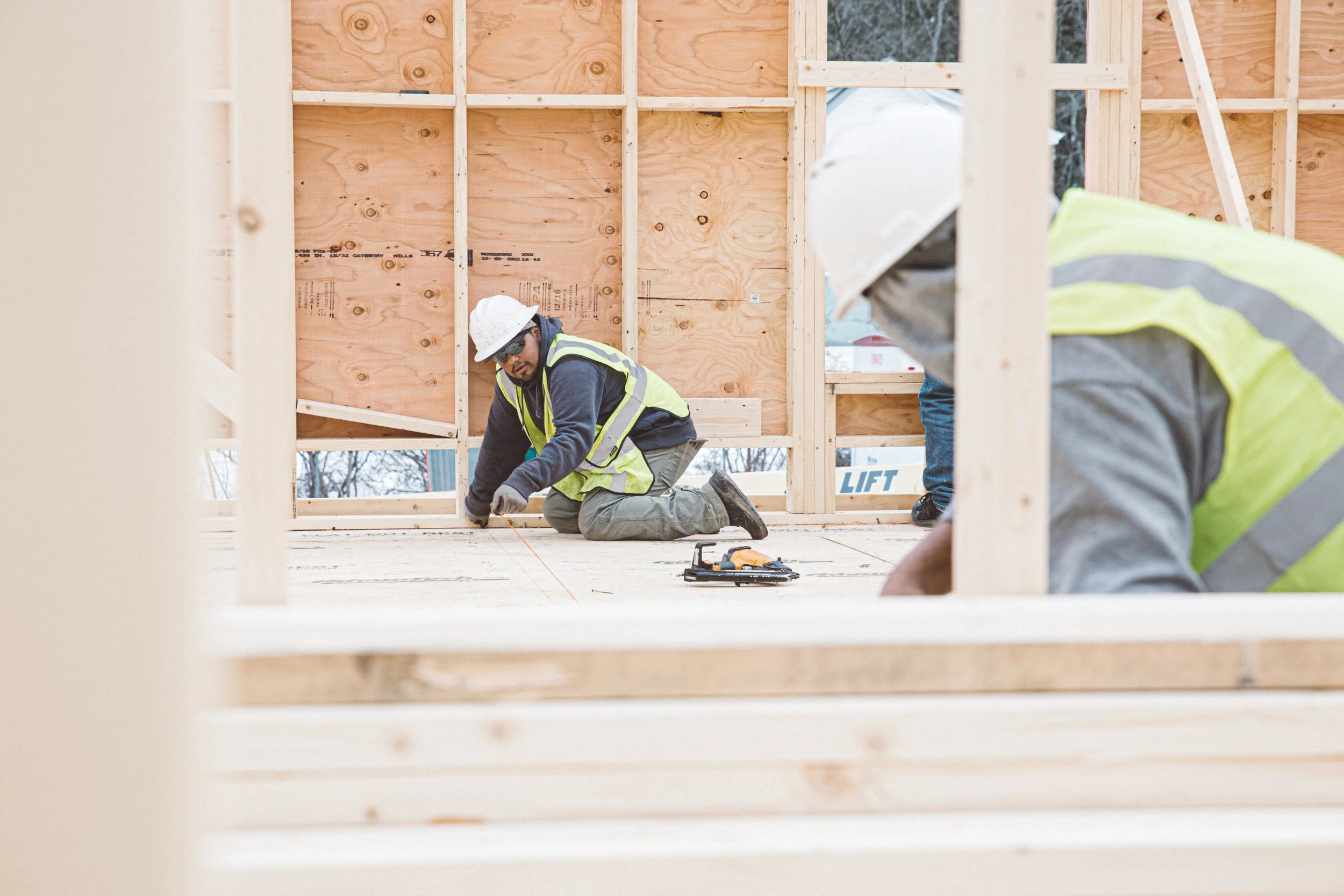
The truth is that a safe job site is usually a better-organized job site. When materials are stored properly, people can find them. When scaffolding is set up right, the work done from it is better. When tools are maintained correctly, they perform better and last longer.
A crew that's working carefully is a crew that's paying attention. A crew that's paying attention does better work. The connection between safety and quality runs deeper than compliance.