
Inside the Jobs Site: Who Actually Runs Your Project
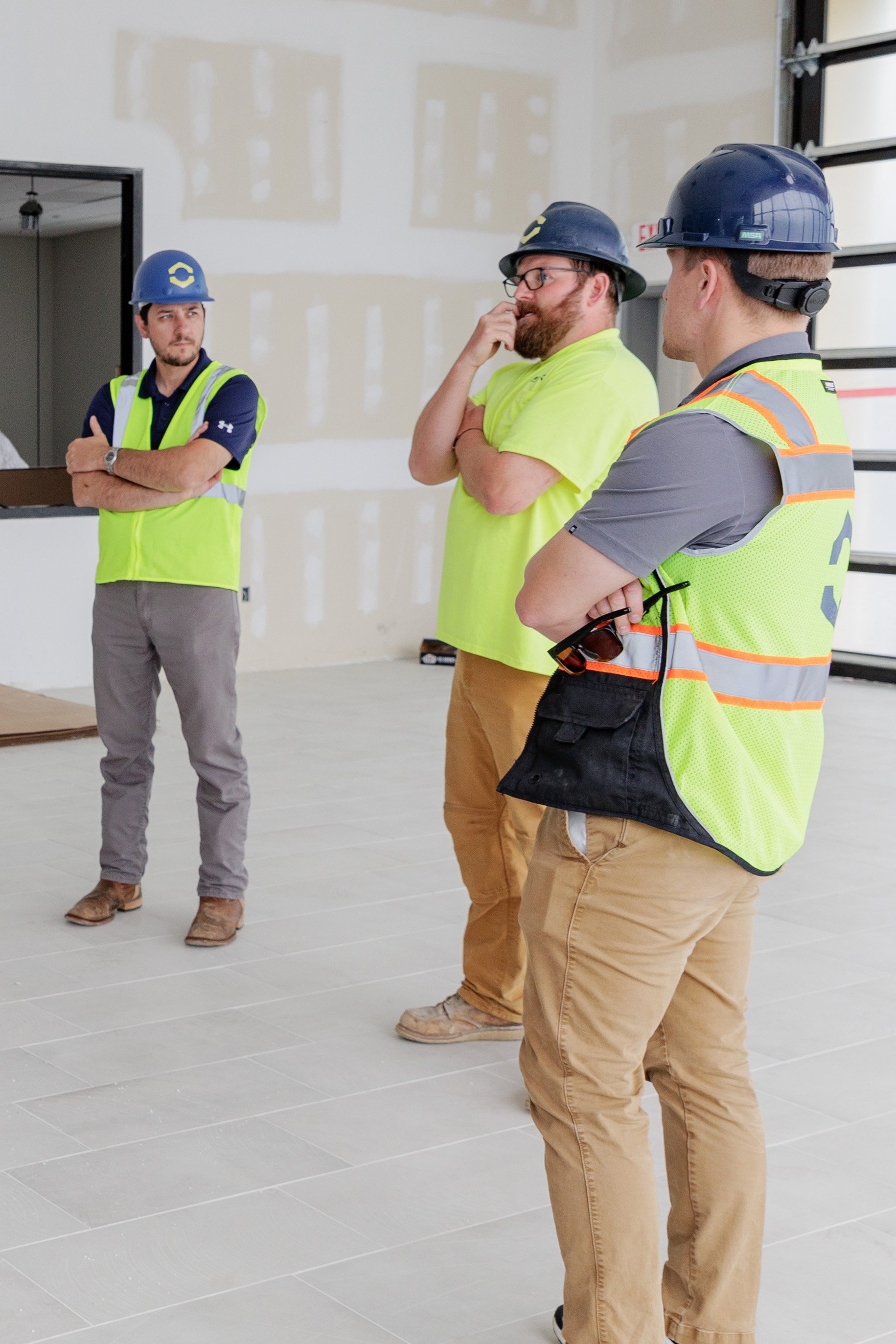
What a superintendent actually does all day
Ask a superintendent what they do and they’ll probably say something vague about managing the job. That’s technically accurate. It doesn’t come close to describing the job.
A superintendent is the first person on site and usually the last to leave. They’re managing a daily sequence of subcontractors who may or may not all show up when they said they would. They’re tracking material deliveries against a schedule that was built when lead times were shorter. They’re making the field-level decisions that keep work moving: which wall goes up first, where the temporary heat goes, when to tell a sub to stop and do it over.
And they’re doing all of this while keeping the site safe, keeping the owner informed, and keeping everything moving toward a date that has consequences attached to it.
The no-jerks rule: where it comes from
Kendrick and Ryan made a decision when they started the company: they didn’t want the yelling and screaming that’s standard in too much of the construction industry. The superintendent who throws blueprints. The GC who talks down to subs. The PM who treats the owner’s questions as interruptions.
So they wrote it down. The no-jerks rule. It’s not a policy they pull out for HR situations. It’s the culture they try to build every day. Hire people who treat others well. Work with subs who do the same. Leave a site where people were glad you were there.
That sounds soft in a hard industry. It isn’t. The no-jerks rule is actually a productivity policy. Job sites where people treat each other with respect have fewer miscommunications, fewer standoffs, fewer situations where someone did the wrong work in the wrong place and nobody wanted to be the one to bring it up.
The no-jerks rule isn’t about being nice. It’s about building a job site where people do their best work.
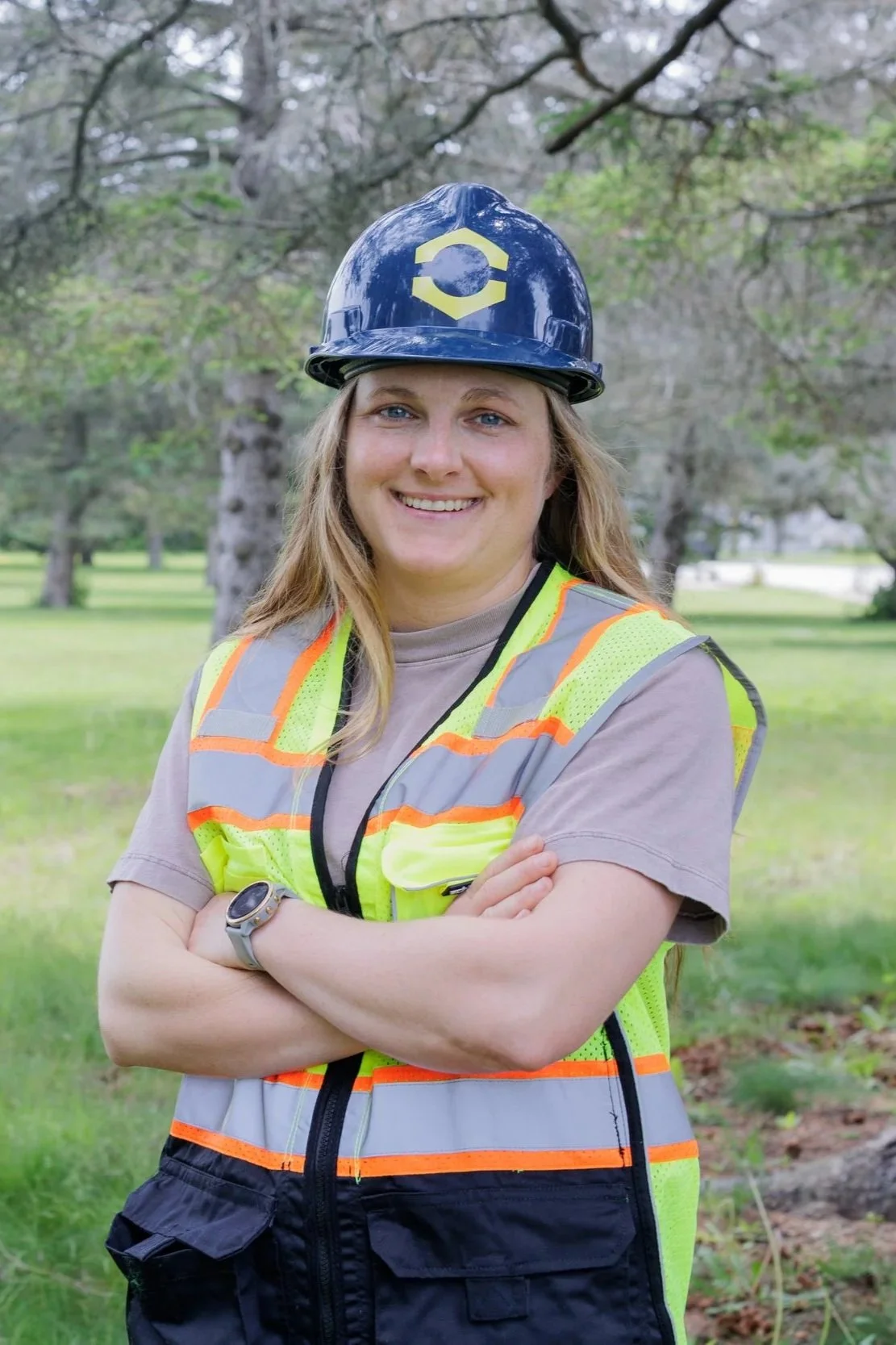
The project manager’s day
Where the superintendent owns the field, the project manager owns the office. The submittals, the RFIs, the owner communications, the schedule, the budget, all of that flows through the PM.
On a commercial project, the PM is tracking dozens of submittals simultaneously, each with its own review cycle and downstream dependencies. A submittal that’s late can delay a rough-in that’s on the critical path. The PM’s job is to see that coming before it arrives.
The estimating team
Our estimating team is led by Sebastien, and they approach preconstruction budgeting differently than most. The job isn’t to produce a number that wins a bid. The job is to produce a number that accurately represents what a project is going to cost, and then find ways to bring that number down without sacrificing what the owner actually cares about.
That means being creative. It means knowing the regional subcontractor market well enough to understand what’s achievable and what’s wishful thinking. It means having the product knowledge to suggest alternatives that hit the same performance standards at a better price point.
When a client comes in with a budget that doesn’t match their program, the estimating team is the group that helps them find the path. Not by cutting quality, but by understanding where the budget is going and where it doesn’t need to go.
Most of the time, that’s how we earn clients before the project even starts.
The owner-builder relationship
Kendrick was in commercial construction before starting the company. Ryan came from residential, high-end finish work. Together, they created a team that can operate in the details, the millwork, the tile work, the trim, and in the big picture, the project delivery model, the client relationship, the business.
Ryan grew up helping his parents renovate a dilapidated 1812 farmhouse in Saco. Every cut treated like it mattered. Kendrick learned from the NFL that there are no shortcuts to lasting performance: you put in the work.
Those two things show up in the company. The work is done with care. The business is run with discipline. And the people who work here are the people who wanted to be part of that.
We built this company on what we wanted construction to be. Every project is another chance to prove it.